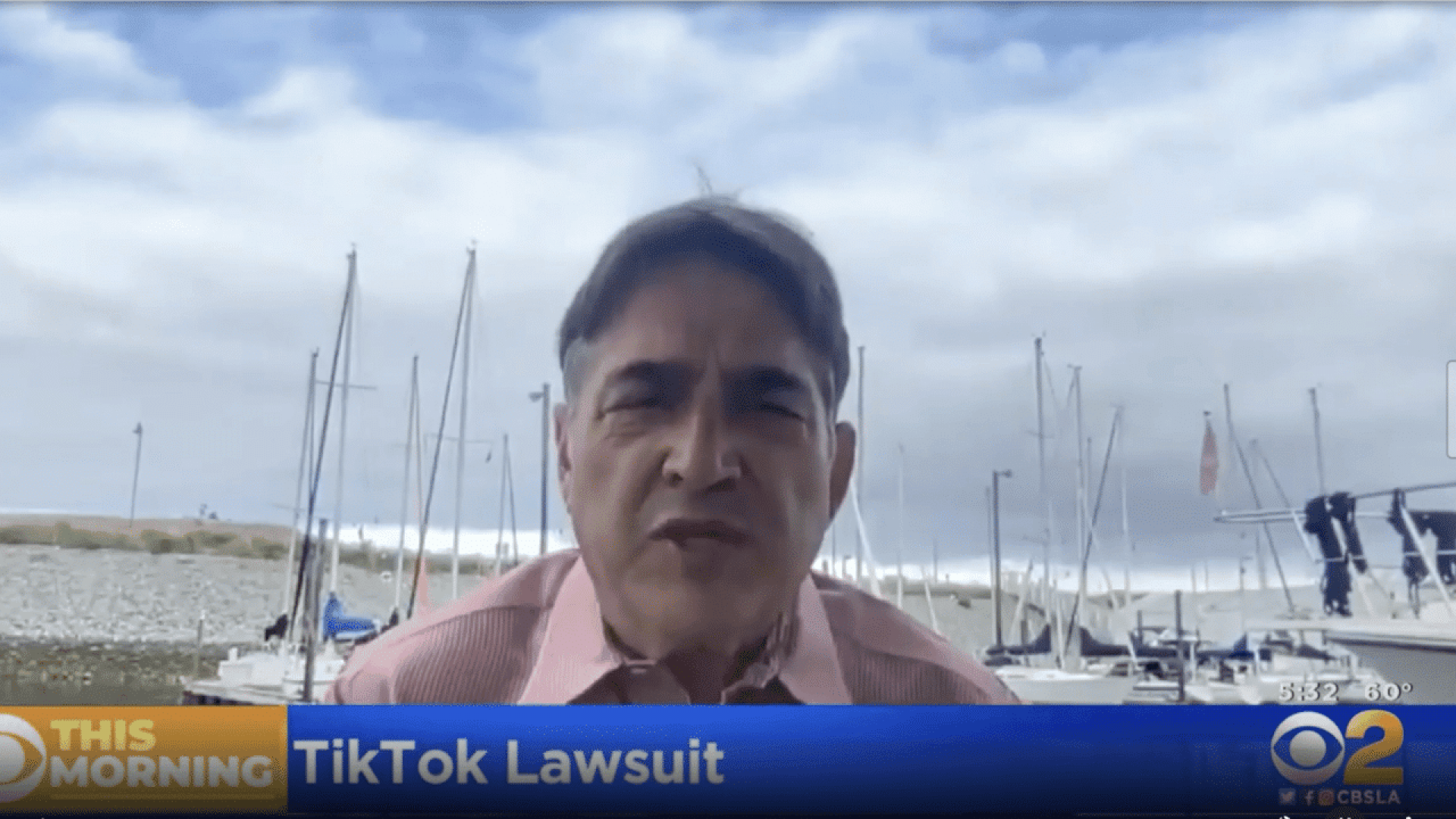
Host: Welcome back to Cyber Safe Family. Today we’ll be talking to Matthew Bergman of the Social Media Victims Law Center about what happens once something “bad” happens to your child. As we train in schools with students, parents, and professionals to try to prevent these things, sometimes the bad things still happen. So, what is a parent supposed to do? Matt, thank you for joining us today.
Matthew P. Bergman: It’s a pleasure to be here.
Host: Can you give us a little bit about your background and what focused your attention on this specific area?
Matthew P. Bergman: For 30 years, I’ve been representing individuals injured or killed from the malfeasance of large corporate entities. While fulfilling, I never had the opportunity to actually prevent injuries, only handle the damage after they occurred. After Francis Haugen testified, I understood for the first time how social media companies intentionally addicted children to products that cause horrific damages. Simultaneously, the Surgeon General’s report documented an epidemic of mental health crises among American teenagers, including a 146 percent increase in suicide, with evidence pointing to social media addiction as the cause. I established the Social Media Victims Law Center to provide parents an opportunity to seek legal redress from companies that have harmed their children.
Host: We see so much more of this now. What are some specific examples of how you are helping parents and what kind of cases are you taking?
Matthew P. Bergman: Our litigation focus is product liability. It is our position that these social media products are addictive and that screen time is maximized based on algorithms designed specifically to addict kids to keep them online as long as possible because that is how the companies make money. Unless these companies are forced to pay the social costs of their defective products, they won’t change their behavior.
Host: Is there a specific type of case where you can help families at the highest level?
Matthew P. Bergman: We hope parents never have to come to us because that means their children have already suffered grievous harm. The cases we handle involve parents whose children have taken their lives or attempted to do so, children who have been sexually abused by adults posing as minors, or children who have suffered eating disorders, self-harm, or severe depression requiring medical or mental health intervention resulting from social media addiction.
Host: If a parent is going through these things, is the first step going to your website?
Matthew P. Bergman: That’s correct. Our website is a resource for parents even before they have a legal claim. We provide information on challenges like bullying and sexual exploitation, and offer tools to help parents monitor their child’s social media activity. Parents have the right to tell social media companies to “turn it off”. While teenagers are resourceful and may set up multiple accounts, the companies know who and where an underage child is online. Parents should contact these companies and say, “Take my kid off; I’m the parent”. Parenting is not a democracy; it is a responsibility to protect our kids, and we want to empower parents to exercise that responsibility effectively.
Host: I agree 100%. The tech companies’ idea that 13 is the “age of adulthood” online really goes against a parent’s ability to monitor their children.
Matthew P. Bergman: They say 13 is the age, but they know many kids get on as early as nine or ten just by clicking a box to self-identify their age. Social media companies have the ability to verify age but don’t do so because they make money even on nine-year-olds. We have a case involving an 11-year-old girl who took her life after becoming addicted; she got online at age nine without her mother even knowing.
Host: Our goal is prevention through education, but I think the legal system and litigation are what really drive change for these companies. For a parent who has been harmed and goes to your website, what is the next step?
Matthew P. Bergman: They provide basic information about the harm sustained and the nature of the social media use. We then determine if it makes sense to file a case. We aren’t “sue happy”; we have an ethical responsibility to only file meritorious cases. If a situation is serious but doesn’t rise to the level of a lawsuit, we are candid with the clients. But where we do proceed, we believe the only way these companies will change is if you hit them in the pocketbook.
Host: Do you have any final words for our parents?
Matthew P. Bergman: Protecting our children is the most basic human instinct. These companies are hurting our kids, and we need to hold them accountable. The bright side is that parents around the world, across all political lines, are coming together to say “enough is enough”.
Host: The wave has definitely begun to build. I appreciate you being here today.
Matthew P. Bergman: Thank you very much.

Legally Edited and Fact-Checked by:
Matthew P. Bergman, Founding Attorney, SMVLC