I’m just going to go with a case because there’s still so many things we’re learning about these cases. So typically, and I’ve personally met with hundreds of children and parents, and it’s a very similar pattern.
I’ll tell you what these parents — I mean, they know, and I say they know because you have a child who feels like they can’t live without social media. Most often, you have a child who typically was doing okay or was struggling, but it was being managed, who now is just out of control or who won’t listen. Now, it doesn’t always fit that pattern, but often, 9 times out of 10, these are really severe addictions.
These are cases where if a parent tries to take away the screen, the child loses it, right? Meltdowns. This could also be instances where a child is all of a sudden incredibly anxious or depressed. A lot of times we’ll hear like they won’t even go to the bathroom without their phone. We have some kids that will stop showering, they stop going to school, and again, these are sort of more extreme cases, but there’s usually some variation of that.
These are kids that will post online and immediately go into depression, or they’re constantly checking and they’re worried because people haven’t liked their posts and they’re obsessing over it. Or these are kids who, you know, a year or two ago before they started using social media, their self-esteem was okay, they were doing fine, and all of the sudden they don’t like their hair or their nose or their skin tone or whatever else it is that is being fed to them through these products.
So really, any of those things. You also have, you know, sextortion, right? Cases where a predator finds them. It’s typically going to be through Instagram, and it may also involve Snapchat. Kids who will get targeted with drug distribution content — they will be curious, they will buy what they think is a Percocet, and it turns out it’s laced with fentanyl.
You’ll have children who die by suicide, and again, this is typically not kids that have had mental health issues their whole life. Oftentimes, it’s something that nobody saw coming.
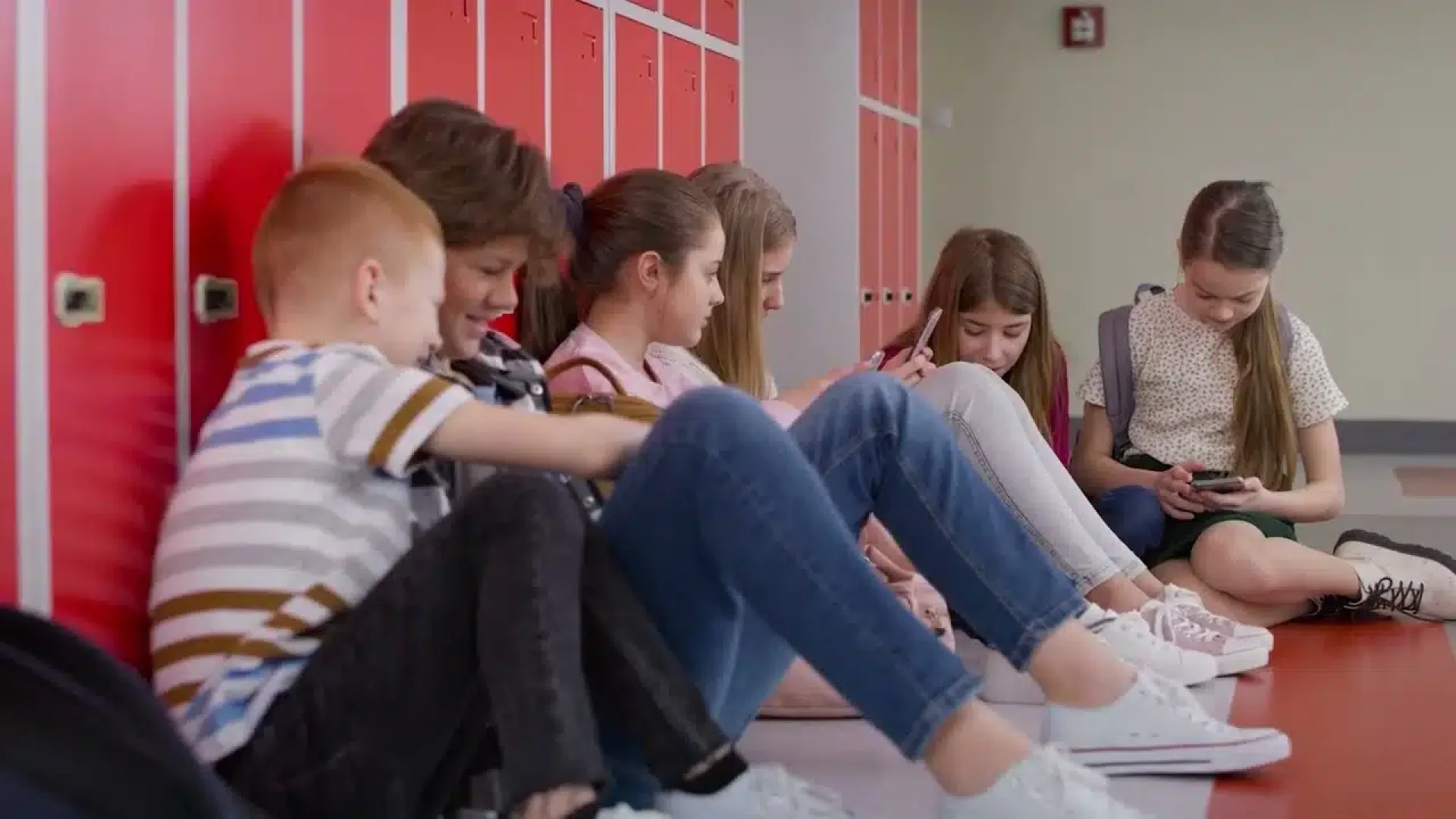
So it really — there’s a wide range, but typically the issue is going to center around those apps. It’s going to center around access to that device.