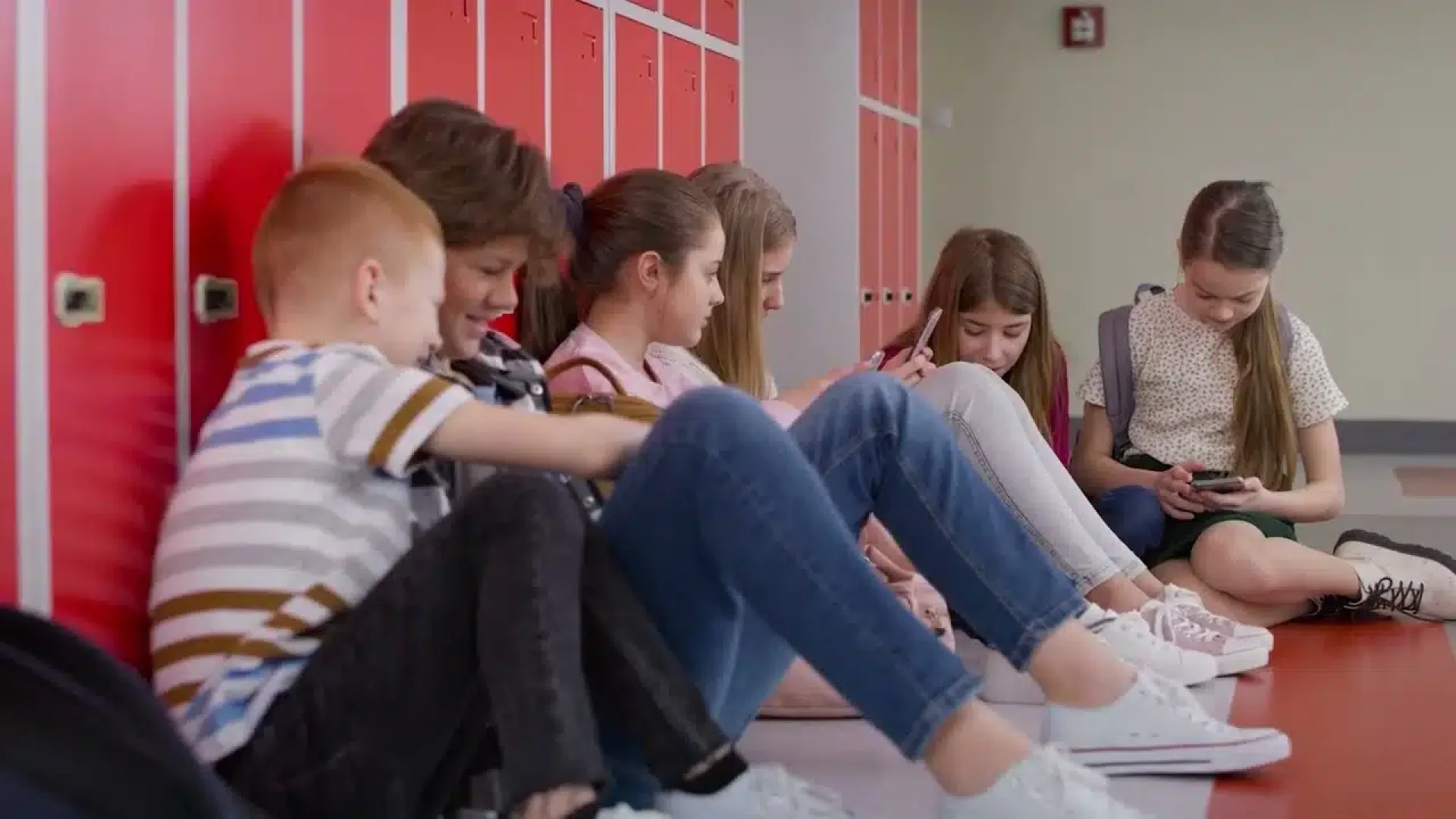
First, as a general matter, preserve everything. Once you know there might be a lawsuit, you have a duty to preserve evidence. What that means is that if you discover something really bad in a child’s social media, it can be very tempting to throw the phone out the window or close accounts, but if you think you may pursue a lawsuit, try to resist that temptation and reach out to us. We can help collect and preserve the data. We put preservation measures in place and make sure everything is retained, including photos, text messages, devices, and even trade-in phones. Preserving evidence is really important, and families should make an effort to do so. Another issue is actually obtaining the evidence. If your child is willing to show you what’s on social media, that’s great. If you can get access, that’s also helpful. If you can’t, that’s okay—these products are not designed to give parents insight into what their kids are doing. Also, don’t assume that help isn’t possible just because you don’t know account names. We can often obtain basic information, preserve devices and data, and even reach out to defendants to help piece things together. More broadly, aside from litigation, the most important thing is supporting your child and getting them help when needed. When you notice changes in behavior, it’s easy to dismiss it as normal teenage behavior, especially since these products are marketed as safe. You may even see advertisements showing young kids receiving smartphones, which reinforces how widely these devices are used. The reality is that the environment is difficult for parents to manage. It’s important to pay attention to patterns like phone use at night and sleep deprivation. Lack of sleep is a serious issue for developing brains, and even adults become more emotional and less rational without enough sleep—the impact is even greater on children. Try to monitor sleep habits closely. Many parents believe they are controlling phone access by leaving devices in another room, but children often still find ways to access them at night. It can feel like an unfair burden on parents, as though they are being forced into a constant monitoring role. Still, adequate sleep is critical, and children often will not report when they are not sleeping properly. They may not even fully realize the impact themselves. Finally, it’s important for parents to give themselves grace. For kids, it can help to understand their behavior through the lens of dependency or addiction—not necessarily in a clinical sense, but as a harmful attachment they may not fully control. When viewed this way, the focus shifts from punishment or anger to understanding that these products are designed to influence behavior and are difficult for children to manage on their own.