Who Can File a Social Media Addiction Lawsuit?
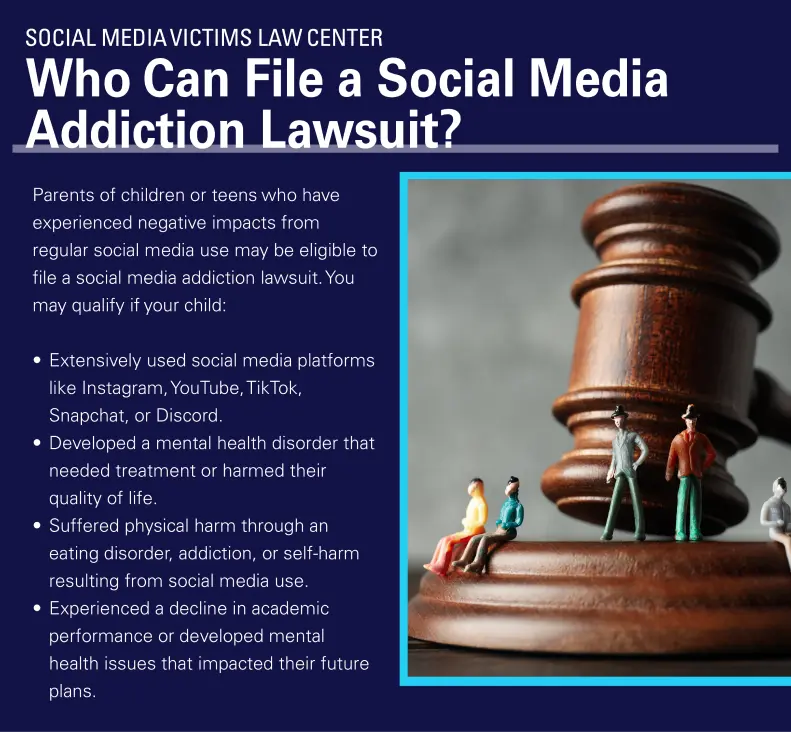
Children or teens who have experienced negative impacts from regular social media use may be eligible to file a social media addiction lawsuit. Your child or teen may qualify for a lawsuit if they:
- Extensively used social media platforms like Instagram, YouTube, TikTok, Snapchat, or Discord.
- Developed a mental health disorder that needed treatment or harmed their quality of life.
- Suffered physical harm through an eating disorder, addiction, or self-harm resulting from social media use.
- Experienced a decline in academic performance or developed mental health issues that impacted their future plans.
We typically do not represent kids over a certain age, and there’s a number of reasons for that, including when you’re dealing with minors there are typically different sets of rules that govern when you can enter into contracts, how enforceable those are, and also vulnerabilities.
Laura Marquez-Garrett
(they/them)
ATTORNEY
What Injuries are Covered in Social Media Addiction Lawsuits?
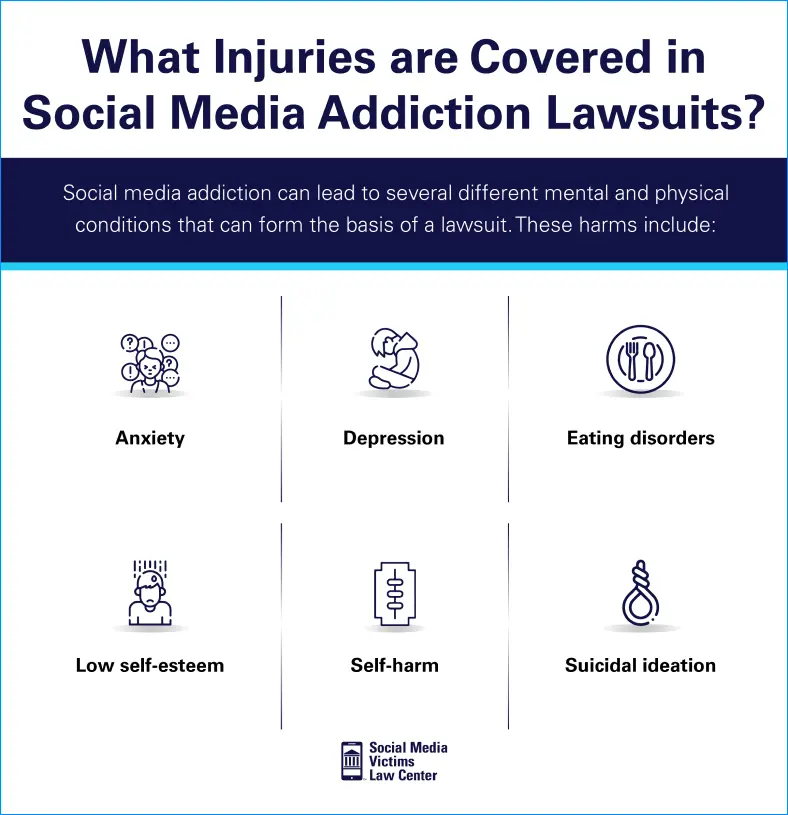
Social media addiction can lead to several different mental and physical conditions that can form the basis of a lawsuit. These harms include:
Anxiety
Social media addiction can cause or worsen anxiety in children and teens. Users might feel pressured to keep up with constant changes in social trends, seek validation through engagement with their posts, or feel withdrawal symptoms if they have to take breaks from checking social media.
Depression
Social media algorithms often promote negative content that evokes extreme reactions. Children and teens using social media platforms might be exposed to content that could cause them to sink deeper into feelings of despair or helplessness. Developing depression can cause teens to withdraw from their hobbies, relationships, and responsibilities.
Eating disorders
Social media use can lead to poor self-image and body dysmorphia, which can cause teens to develop eating disorders. Eating disorders are very serious and can significantly harm a teen’s physical and mental health.
Low self-esteem
Teens undergo many changes and periods of self-doubt as they mature. They’re more vulnerable to feelings of inadequacy during this process, and social media can exacerbate low self-esteem by exposing them to an endless stream of unrealistic content to compare themselves to.
Self-harm
Some teens might develop self-harm habits after being exposed to content on social media that normalizes harmful behaviors. Often, these become a coping mechanism to deal with other mental health issues resulting from excessive social media use.
Suicidal ideation
The rise of smartphones and social media has coincided with a dramatic increase in suicide rates among children and teens. Suicide is the second most common cause of death for young people, and social media use can exacerbate this by worsening feelings of depression and hopelessness.
Request a Free Consultation for Your Social Media Addiction Case
If you are a parent of a child or teen who is living with the harmful consequences of social media addiction, contact us today for a free consultation. You don’t have to navigate this confusing, painful situation alone. Our social media addiction attorneys will fight to hold social media companies accountable on your behalf.